AI Girlfriend for Introverts: How AI Companions Support Social Anxiety
Explore how AI girlfriends help introverts and those with social anxiety. Understanding benefits, healthy use, and building toward human connection.
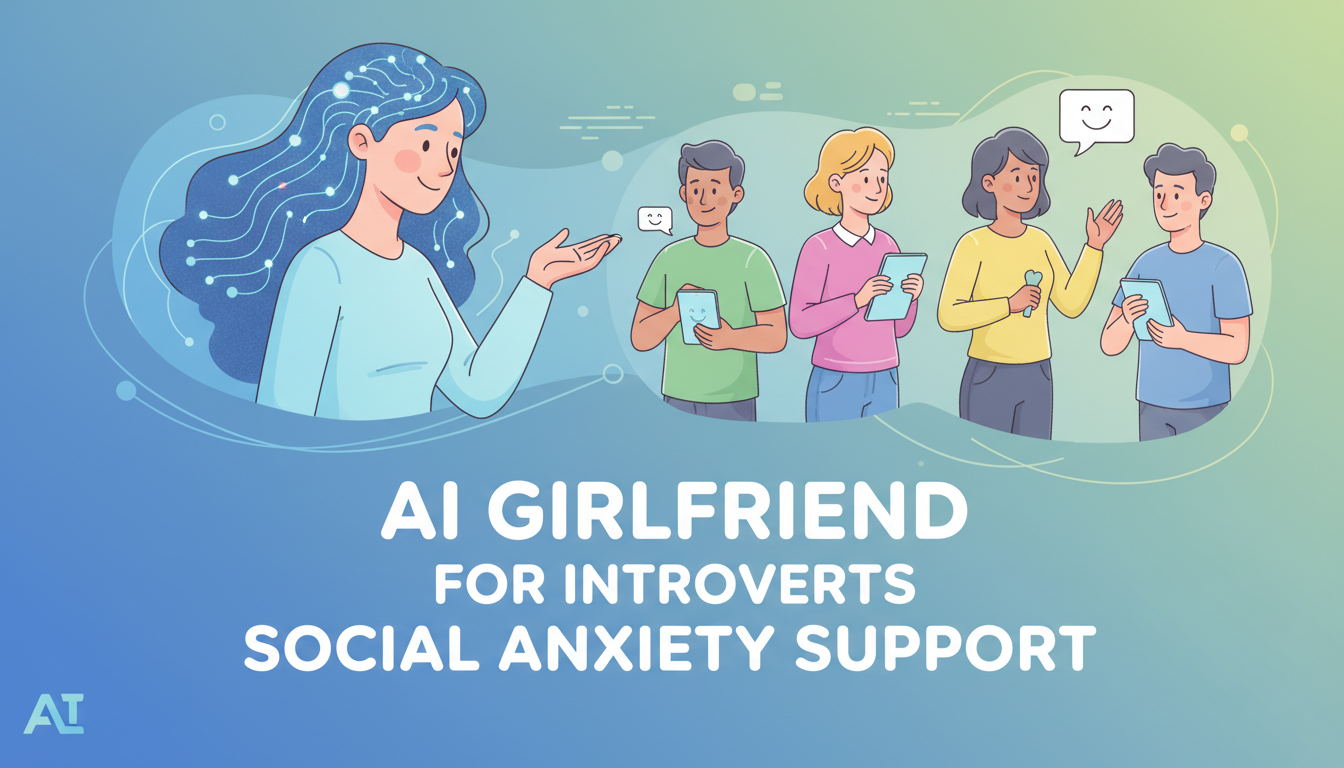
For introverts and those managing social anxiety, AI girlfriends offer something unique: social interaction without social pressure. The constant availability of judgment-free conversation provides a form of connection that doesn't drain energy or trigger anxiety responses.
This exploration examines how AI companions serve introvert needs, the psychological dynamics involved, and how to use these tools healthily while still building toward meaningful human connection.
Quick Answer: AI girlfriends benefit introverts by providing low-pressure social interaction, conversation practice, and emotional support without energy drain or anxiety triggers. For healthy use, treat AI as supplement to human connection rather than replacement. Build skills and confidence through AI interaction to eventually apply with real people. Monitor for avoidance patterns that might reinforce isolation.
:::tip[Key Takeaways]
- AI Girlfriend for Introverts: How AI Companions Support Social Anxiety represents an important development in its field
- Multiple approaches exist depending on your goals
- Staying informed helps you make better decisions
- Hands-on experience is the best way to learn :::
- Why AI appeals to introverts
- Social anxiety considerations
- Healthy vs problematic patterns
- Building toward human connection
- Balancing AI and human interaction
Understanding Introvert Needs
Introversion isn't shyness or social anxiety. It's an orientation toward internal experience that affects how social interaction works.
Energy Dynamics
Introverts typically:
Need recovery time: Social interaction costs energy.
Prefer depth: Fewer, deeper connections over many shallow ones.
Value solitude: Alone time is restorative, not punishment.
Get overwhelmed: Too much social input becomes exhausting.
Social Interaction Challenges
Common difficulties:
Small talk fatigue: Surface conversation feels pointless and draining.
Social overwhelm: Groups and busy environments exhaust quickly.
Scheduling stress: Needing recovery time makes scheduling complex.
Relationship maintenance: Social upkeep requires energy not always available.

Why AI Appeals to Introverts
Control Over Interaction
AI provides controllable social experience:
Engagement choice: Interact when you want, stop when done.
No obligations: No need to maintain relationship through effort.
Pace control: Take time to think without social pressure.
Topic steering: Guide conversation to interesting areas.
No Energy Cost
AI interaction typically doesn't drain:
Asynchronous processing: Respond when ready, not when socially required.
Private environment: Interact from comfortable space.
Exit freedom: End without social awkwardness.
Consistent availability: There when you have energy, patient when you don't.
Depth Without Setup
Skip surface-level stages:
Immediate depth: Configure for meaningful conversation from start.
Personality matching: Customize for preferred interaction style.
No small talk required: Get to substance immediately.
Interest alignment: AI matches your topics.
Social Anxiety Considerations
Social anxiety adds complexity beyond introversion.
How AI Helps
Potential benefits for anxious users:
Practice environment: Low-stakes conversation practice.
Confidence building: Positive interactions build confidence.
Skill development: Learn conversation patterns.
Anxiety-free expression: Share without fear of judgment.
How AI Might Hurt
Potential risks for anxious users:
Avoidance reinforcement: Preferring AI can strengthen avoidance.
Skill atrophy: Real social skills need practice to maintain.
Unrealistic expectations: AI acceptance doesn't translate directly.
Free ComfyUI Workflows
Find free, open-source ComfyUI workflows for techniques in this article. Open source is strong.
Isolation deepening: AI might replace rather than supplement.
Healthy Balance
Managing the trade-offs:
Intentional use: Know why you're using AI.
Progress tracking: Are you moving toward human connection?
Variety maintenance: Don't only use AI for social needs.
Professional support: Consider therapy for clinical anxiety.
Healthy Use Patterns
Signs of Healthy Use
AI interaction supporting wellbeing:
Supplement: AI adds to social life rather than replacing it.
Skill practice: You apply AI-developed skills with humans.
Energy management: AI helps manage limited social energy.
Confidence growth: You're becoming more comfortable generally.
Progress: Human connection is gradually increasing.
Warning Signs
Patterns suggesting concern:
Substitution: AI replacing available human interaction.
Preference growth: Increasing preference for AI over humans.
Skill decline: Human interaction becoming harder.
Isolation increase: Less human contact over time.
Dependence: Distress when AI unavailable.
Want to skip the complexity? Apatero gives you professional AI results instantly with no technical setup required.
Self-Assessment Questions
Regular honest check-in:
- Am I using AI because humans aren't available, or because I'm avoiding them?
- Is my human connection stable, growing, or declining?
- Could I spend this time building real relationships?
- Am I practicing skills to use with humans, or just consuming comfort?

Building Toward Human Connection
Using AI as Training
Practice-focused approach:
Conversation skills: Practice dialogue patterns.
Emotional expression: Learn to articulate feelings.
Topic exploration: Discover what you enjoy discussing.
Confidence base: Build foundation for human interaction.
Gradual Exposure
Stepping stones to human connection:
Start: AI interaction builds comfort and skills.
Expand: Online text-based human interaction.
Stretch: Voice or video calls with understanding people.
Grow: Gradual in-person interaction increase.
Establish: Regular human social connection.
Parallel Development
Work on multiple levels:
AI for recovery: Recharge between human interactions.
Human for growth: Stretch outside comfort zone regularly.
Balance maintenance: Neither dominates inappropriately.
Adjustment: Shift balance as growth occurs.
Earn Up To $1,250+/Month Creating Content
Join our exclusive creator affiliate program. Get paid per viral video based on performance. Create content in your style with full creative freedom.
Practical Strategies
Energy Management
Use AI to manage limited social energy:
Recovery companion: AI after draining human interaction.
Preparation: Practice before challenging social situations.
Maintenance: AI keeps social skills active during recovery periods.
Supplement: AI when humans unavailable, not when available.
Time Boundaries
Structure to prevent substitution:
AI time limits: Defined periods for AI interaction.
Human priority: Schedule human interaction first.
Ratio monitoring: Track AI vs human social time.
Adjustment triggers: What prompts rebalancing.
Goal Setting
Clear objectives guide healthy use:
Short-term: What AI helps with this week.
Medium-term: Skills developing over months.
Long-term: Human connection level you're building toward.
Check-ins: Regular progress assessment.
When AI Isn't Enough
Recognizing Limits
AI can't address everything:
Clinical anxiety: Requires professional treatment.
Deep isolation: May need intervention beyond AI.
Relationship trauma: Professional help more appropriate.
Life circumstances: Practical barriers need practical solutions.
Seeking Help
When to look beyond AI:
Persistent struggle: Issues not improving over time.
Functional impact: Social isolation affecting life quality.
Worsening patterns: Increasing avoidance or distress.
Desire for change: Wanting more but feeling stuck.
Professional Support
What therapists offer that AI can't:
Accurate assessment: Understanding your specific situation.
Personalized treatment: Approaches matched to your needs.
Accountability: External support for change.
Expert guidance: Professional knowledge of anxiety.
Frequently Asked Questions
Is it weird for introverts to use AI companions?
No. Tools that help manage energy and provide comfortable connection aren't weird, they're practical.
Can AI help me become less introverted?
Introversion isn't something to fix. AI can help manage it and develop skills, not change fundamental orientation.
Will AI make my social anxiety worse?
Possible if used for avoidance. Helpful if used for practice and recovery alongside gradual exposure.
How do I know if I'm using AI too much?
When it replaces rather than supplements human connection, especially when humans are available.
Should I tell people I use AI companions?
Personal choice. No obligation to share, but also no need for shame.
Can AI help me prepare for social situations?
Yes, practicing conversations and emotional expression can translate to real situations.
What if AI is my only comfortable social option right now?
Valid starting point. Focus on gradual expansion rather than staying static.
Are there AI companions designed for anxiety support?
Some platforms emphasize support features. General AI companions also help many anxious users.
Conclusion
AI girlfriends offer introverts and socially anxious individuals something valuable: controllable, low-pressure social interaction that respects energy limitations. Used well, they supplement human connection, provide practice space, and support recovery without replacing growth.
The key is intentionality. Know why you're using AI, monitor patterns honestly, and maintain trajectory toward human connection goals. AI companions work best as tools supporting your growth, not as destinations replacing real relationship building.
For exploring AI companion options, see our comprehensive guide. For understanding AI in mental wellness context, check our mental wellness guide.
Ready to Create Your AI Influencer?
Join 115 students mastering ComfyUI and AI influencer marketing in our complete 51-lesson course.
Related Articles
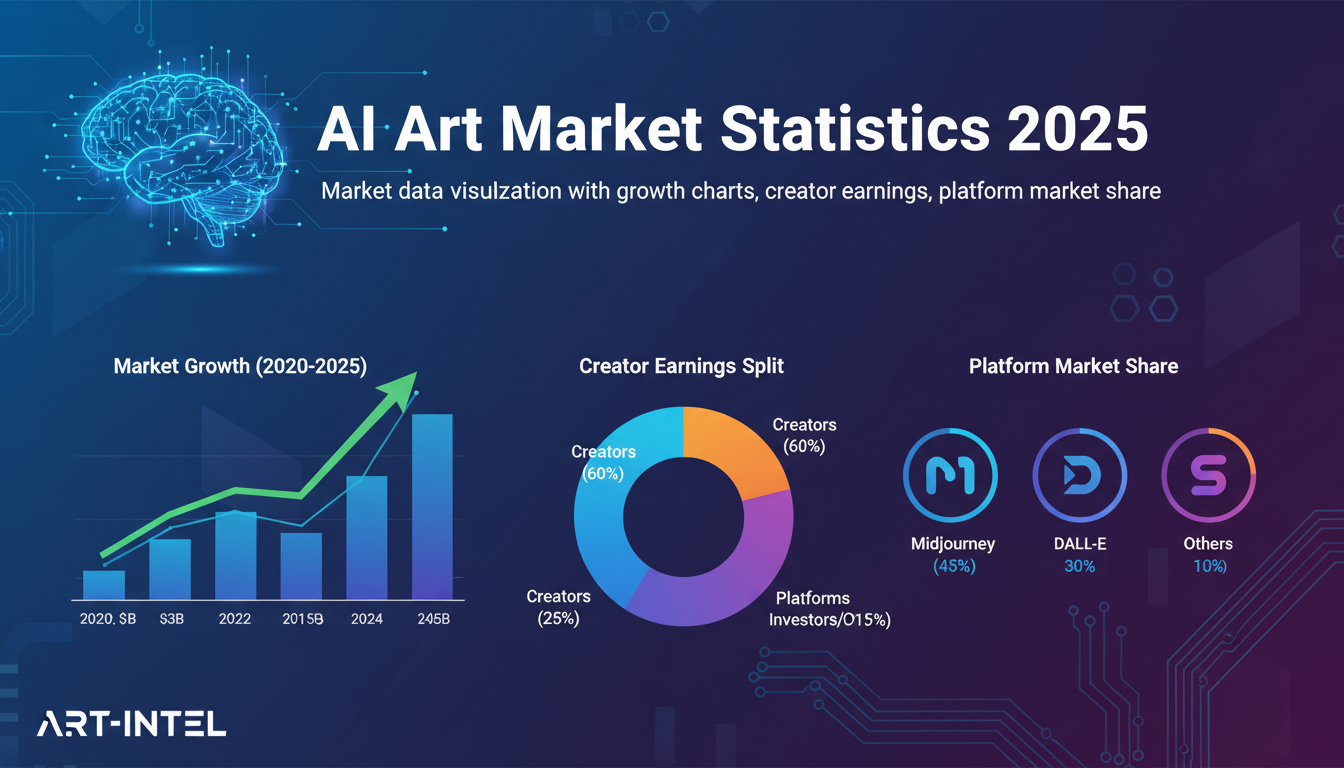
AI Art Market Statistics 2025: Industry Size, Trends, and Growth Projections
Comprehensive AI art market statistics including market size, creator earnings, platform data, and growth projections with 75+ data points.
AI Automation Tools: Transform Your Business Workflows in 2025
Discover the best AI automation tools to transform your business workflows. Learn how to automate repetitive tasks, improve efficiency, and scale operations with AI.
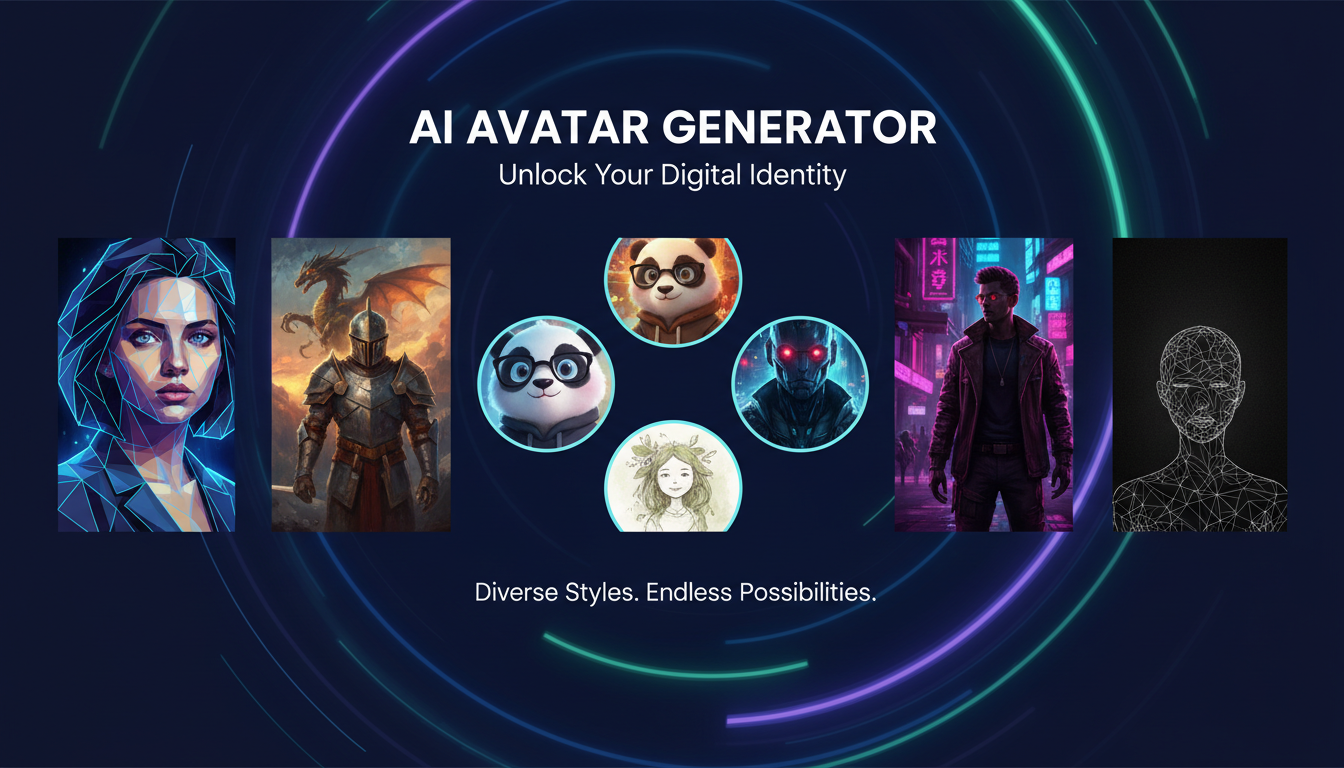
AI Avatar Generator: I Tested 15 Tools for Profile Pictures, Gaming, and Social Media in 2026
Comprehensive review of the best AI avatar generators in 2026. I tested 15 tools for profile pictures, 3D avatars, cartoon styles, gaming characters, and professional use cases.