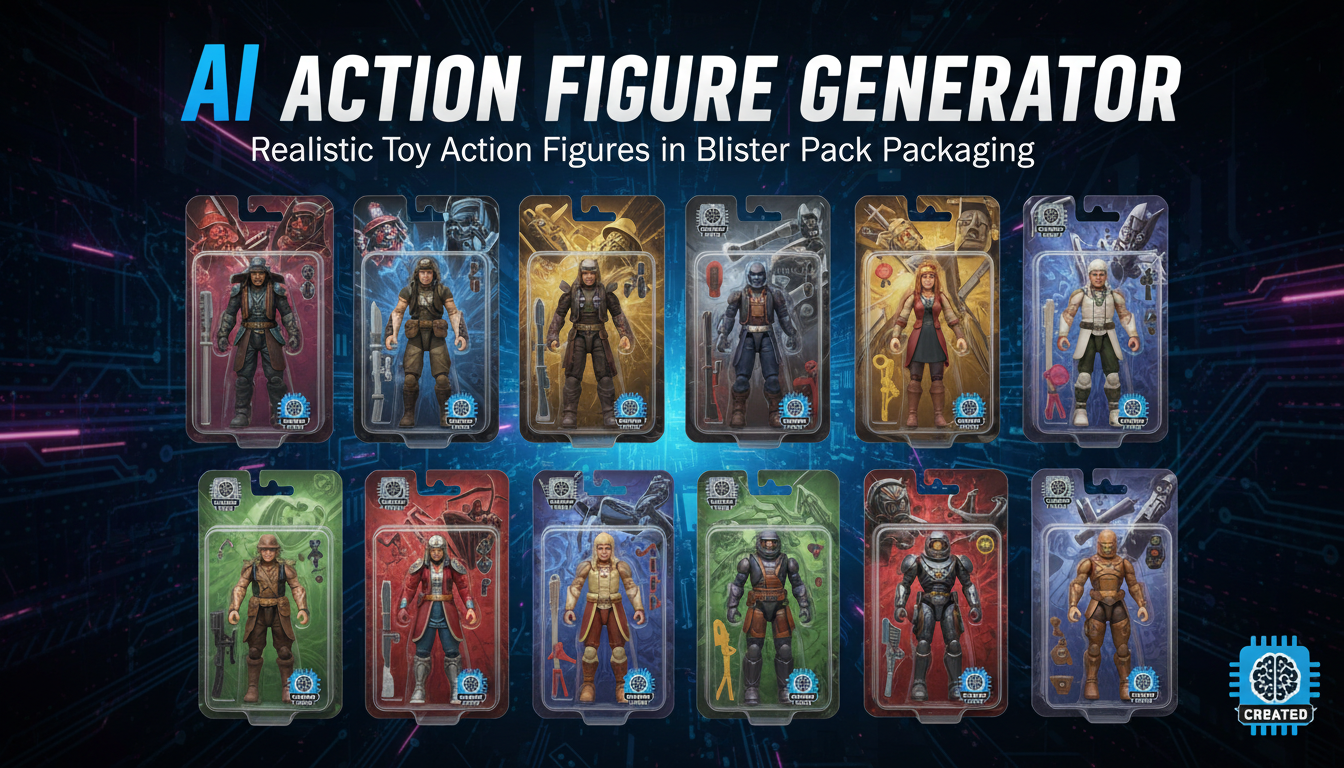
AI Action Figure Generator: How to Create Your Own Viral Toy Box Portrait in 2026
Complete guide to the AI action figure generator trend. Learn how to turn yourself into a collectible figure in blister pack packaging using ChatGPT, Flux, and more.
Make AI images and video in your browser
Characters, video, photo packs. No GPU, no setup. Your first generation is free.
If you've been anywhere near social media in the last few weeks, you've seen them. Perfectly rendered action figures of real people, nestled inside blister pack packaging with custom accessories, witty taglines, and that unmistakable toy aisle glow. The AI action figure generator trend has taken over every platform from LinkedIn to TikTok, and for good reason. It's one of the most genuinely fun things AI image generation has produced since the technology went mainstream.
Quick Answer: The easiest way to create an AI action figure of yourself is with ChatGPT's image generation (GPT-4o). Upload a photo, describe your accessories, and ask for a "collectible action figure in retail blister pack packaging." For more control and better results, use Flux 2 with a detailed prompt through Apatero or similar platforms. Most tools can produce a convincing result in under two minutes.
- The AI action figure trend went viral in early 2026, with millions of images shared across social media
- ChatGPT (GPT-4o) is the fastest option, but Flux 2 and Midjourney offer more creative control
- Free tools exist, though paid options produce noticeably more realistic packaging and figure details
- The best results come from uploading a clear reference photo and writing a detailed prompt with specific accessories
- This trend works for personal branding, gifts, social media content, and even small business marketing
What Is the AI Action Figure Trend and Why Did It Explode?
The viral AI action figure trend started gaining serious traction in January 2026, though similar concepts had been floating around AI art communities for months before that. The basic idea is simple. You use an AI image generator to create a hyper-realistic rendering of yourself (or someone else) as a collectible action figure, complete with retail packaging, accessories, and the kind of tongue-in-cheek product descriptions you'd find on a real toy box.
What made this particular trend stick, unlike dozens of other AI image fads, is that it hits a perfect sweet spot between personalization and novelty. Everyone has imagined their own action figure at some point. Now you can actually see what it would look like, down to the plastic sheen on the packaging and the tiny text on the cardboard backing.
I first stumbled across the trend when a friend sent me his ChatGPT action figure on a group chat. He'd turned himself into a "Weekend Dad" figure, complete with cargo shorts, a spatula accessory, and a miniature Weber grill. The packaging read "Includes: unsolicited grilling advice." I laughed hard enough to immediately try making my own, and I spent the next three hours generating variations for everyone I know. That's the addictive quality of this trend. It's personal, it's funny, and the results are genuinely impressive.
The trend really accelerated when several celebrities and public figures started sharing their AI action figures on social media. Once a few posts went viral with millions of views, everyone wanted their own version. According to data from Google Trends, searches for "AI action figure generator" increased by over 4,000% between late January and early February 2026.
How Does an AI Action Figure Generator Actually Work?
Before jumping into the how-to, it helps to understand what's happening under the hood. An AI action figure generator isn't a specialized tool. It's a standard AI image generation model being guided by a very specific prompt to create toy-like imagery.
The AI has been trained on millions of images, including real product photography of action figures, toy packaging, and retail displays. When you give it the right instructions, it combines its understanding of human faces, toy aesthetics, and product packaging into a single coherent image. The reason modern outputs look so convincing is that models like GPT-4o and Flux 2 have become remarkably good at rendering materials. They understand how plastic reflects light differently from cardboard, how blister pack plastic creates distortion, and how product photography lighting works.
If you've ever explored text-to-image AI tools, you already understand the fundamental concept. The difference here is that the prompt is doing most of the heavy lifting. You're essentially art-directing the AI to produce a very specific genre of product photography.
I tested this across six different platforms over the course of a week, generating probably 200 figures total. The quality variance between tools was significant, but the biggest factor in getting great results wasn't the tool itself. It was the prompt.
Best Tools for Creating AI Action Figures in 2026
Not all AI image generators handle this trend equally well. Some excel at realistic packaging, others are better with face accuracy, and a few struggle with the concept entirely. Here's my honest breakdown after extensive testing.
ChatGPT (GPT-4o): The Easiest Starting Point
ChatGPT is where most people are encountering this trend, and for good reason. The workflow is dead simple. Upload a photo of yourself, describe what you want, and GPT-4o generates a surprisingly good action figure image in about 30 seconds. The face likeness is generally solid, the packaging looks convincing at a glance, and the whole experience feels effortless.
The limitation is control. You can iterate by asking ChatGPT to adjust details, but you're ultimately at the mercy of how the model interprets your request. I found that about one in three generations nailed what I was going for on the first try. The other two needed refinements.
Hot take: ChatGPT action figures look impressive on social media, but they fall apart under scrutiny. The text on the packaging is often gibberish or weirdly spelled, the accessories lack detail, and the figure proportions can be inconsistent. If you just want something fun to post, it's perfect. If you want something that genuinely looks like a real product, you'll need to look elsewhere.
One thing I appreciated about GPT-4o is how well it handles humor in the product descriptions. When I asked for a "Tech Blogger Kevin" figure with accessories including "a laptop with 47 browser tabs open" and "an empty coffee mug," it absolutely delivered on the comedy. The backing card read "Warning: May provide unsolicited opinions about AI tools." That kind of personality injection is where ChatGPT shines.
Flux 2: Best Overall Quality
For the best results I've seen, Flux 2 running through a platform like Apatero produces the most convincing AI action figure images. The material rendering is noticeably superior. Plastic looks like actual plastic. The cardboard backing has realistic print texture. The blister pack creates believable reflections and distortions over the figure.
The tradeoff is that Flux 2 requires more prompt engineering. You won't get a great result by just saying "make me an action figure." You need to specify camera angle, lighting style, packaging details, and figure pose. But the ceiling for quality is significantly higher.
I've been running Flux 2 as my primary AI image generation tool for a few months now, and the action figure prompt is one of the best demonstrations of its capabilities. The prompt adherence means when you ask for specific accessories, you actually get them.
Midjourney v7: Most Artistic Results
Midjourney produces action figure images with a distinct aesthetic quality that other tools don't quite match. The lighting is more dramatic, the compositions feel more intentional, and the overall "product photography" vibe is the strongest. Where Midjourney falls short is face accuracy. If you're trying to make a recognizable figure of a specific person, it tends to idealize and drift from the reference.
For fantasy or stylized figures (think superhero versions of yourself or anime-inspired designs), Midjourney is hard to beat. For realistic "this looks like an actual toy of me" results, other tools perform better.
Free Alternatives Worth Trying
Several free options have emerged specifically targeting the AI action figure trend. Microsoft Copilot (powered by DALL-E) can produce decent results at no cost. Google's Gemini with Imagen 3 has also been capable, though results vary. There are also dedicated web apps and bots that have popped up to capitalize on the trend, but I'd approach those with caution. Many are just thin wrappers around the same models with limited customization and aggressive upselling.
If you want to experiment without spending anything, start with Copilot or the free tier of a platform that runs Flux. The results won't match what you'd get with a paid tool, but they're good enough to participate in the trend.
Step-by-Step Guide: Creating Your AI Action Figure
Let me walk through the actual process for each major approach. I'll cover the ChatGPT method first since it's the most accessible, then the Flux 2 method for those who want professional-grade results.
Method 1: ChatGPT Action Figure (Beginner-Friendly)
This is the method that most people use, and it genuinely works well for a first attempt. Start by selecting a clear, well-lit photo of yourself. Front-facing shots with a simple background work best. Avoid group photos or images where your face is partially obscured.
Upload the photo to ChatGPT and use a prompt like this:
Create an image of me as a collectible action figure inside retail
blister pack packaging. The figure should be in a dynamic pose.
Include these accessories: [list 3-5 items]. The packaging should
have the name "[YOUR NAME]" at the top, a tagline that reads
"[YOUR TAGLINE]", and small text showing "[YOUR TITLE/ROLE]".
Make it look like a real product photo taken in a toy store.
A few tips from my testing sessions. Be specific about accessories. Instead of "a computer," say "a silver MacBook Pro with stickers on the lid." Instead of "a coffee cup," say "a ceramic mug with steam rising from it." The more specific you are, the more realistic and personal the result feels.
Also, specify the style of packaging you want. "Retro 1980s cardboard-backed blister pack" gives a very different result from "modern premium collector's edition box." Both are great, but they hit differently depending on your personality and audience.
Method 2: Flux 2 via Apatero (Advanced Quality)
For the best possible results, here's the workflow I use. This takes a bit more setup but the output quality is substantially better.
Start with a high-resolution reference photo. Flux 2's face accuracy improves dramatically with better input images. I recommend at least 1024x1024 resolution with even lighting on the face.
Use this detailed prompt structure:
Professional product photography of a collectible action figure in
unopened retail blister pack packaging. The figure resembles [describe
appearance in detail]. The figure wears [outfit description] and
stands in [pose description]. Accessories included in the packaging:
[list items with specific details]. The cardboard backing features
the name "[NAME]" in bold lettering with the tagline "[TAGLINE]".
Shot on a clean white surface with soft studio lighting. Shallow
depth of field. 85mm lens perspective. Hyper-realistic product
photography style.
The camera and lens specifications might seem like overkill, but they make a real difference in how the AI composes the shot. Specifying "85mm lens perspective" gives you that flattering product photography compression that makes the packaging pop. I learned this trick while experimenting with AI art transformations and it applies equally well here.
Free ComfyUI Workflows
Find free, open-source ComfyUI workflows for techniques in this article. Open source is strong.
Method 3: Funko Pop Style Figures
A popular variation on the trend is creating Funko Pop-style figures instead of traditional action figures. The round heads, black dot eyes, and simplified body proportions are iconic enough that the AI handles them well.
For this style, modify your prompt to emphasize the Funko aesthetic:
A vinyl collectible figure in the style of a bobblehead pop culture
figurine with oversized head, small body, and dot eyes. The figure
represents [description]. Displayed in a windowed collector's box
with [name] branding. Product photography on a shelf with other
collectibles visible in the blurred background.
I made Funko-style versions of my entire team at one point. The creative director got one with a tiny Pantone swatch book accessory, and the developer got one holding a keyboard with a "404" error on a miniature screen. They were a hit at our next team meeting.
Prompt Engineering Tips That Actually Matter
The difference between a mediocre AI action figure and one that makes people do a double-take comes down to prompt details. After generating hundreds of these, I've identified the specific elements that have the biggest impact on quality.
Packaging Details Are Everything
Most people focus on the figure itself and neglect the packaging, which is actually what sells the illusion. Real toy packaging has layers of detail that your prompt should address. Think about the brand logo area at the top of the card, the product name in a specific font style, age recommendations ("Ages 30+"), included accessories listed on the side, a barcode in the corner, and safety warnings in fine print.
You don't need to specify all of these, but including three or four packaging elements dramatically increases realism. One of my favorite details to include is "a small 'Collect Them All!' badge showing silhouettes of other figures in the series." It's a tiny touch that makes people laugh and adds authenticity.
Lighting and Camera Angle
Specifying the photography style matters more than most people realize. "Product photography with soft box lighting against a white background" gives you the Amazon listing look. "Dramatic side lighting on a toy store shelf with other products blurred in the background" gives you the nostalgic retail vibe. "Overhead flat lay on a wooden desk next to real everyday items" creates a convincing scale reference.
I prefer the toy store shelf approach because it adds environmental context that makes the figure look more real. The blurred background of other products creates an implicit "this is a real thing you could buy" framing that flat studio shots miss.
Material and Texture Specifications
This is where most prompts fall short. Tell the AI what materials you want to see. "Glossy injection-molded plastic figure with visible mold lines and slight paint application on facial features" reads very differently to the model than just "action figure." For the packaging, "clear PET plastic blister vacuum-formed around the figure, attached to printed 300gsm cardboard backing" gives the AI specific material properties to render.
These details are the difference between "obviously AI" and "wait, is that real?" I've had people genuinely ask me where they could buy some of the figures I've generated because the material rendering was that convincing.
Creative Ideas Beyond the Basic Action Figure
The standard "me as an action figure" post is fun, but the trend has room for creativity that most people aren't exploring yet. Here are some variations I've been experimenting with.
Professional Action Figures for LinkedIn
This has become surprisingly popular in professional circles. Creating an action figure version of yourself with career-related accessories is a lighthearted way to showcase your professional identity. I've seen a lawyer figure with a "Tiny Gavel of Justice" accessory, a data scientist with a miniature laptop showing actual charts, and a project manager with a "Stack of Ignored Emails" accessory pack.
Hot take: The LinkedIn action figure trend is actually a brilliant personal branding move that most people are executing poorly. A well-crafted action figure with thoughtful accessories tells people more about your professional personality in one image than a 2,000-word "about me" post. But most people are using generic prompts and getting generic results. Put in the effort to make yours specific and funny, and it becomes genuinely memorable.
The key is making the accessories specific to YOUR experience, not generic to your profession. "Laptop" is boring. "Laptop with 47 Jira tickets and a Slack notification that just says 'hey'" is personal and relatable.
Want to skip the complexity? Apatero gives you professional AI results instantly with no technical setup required.
Gift and Celebration Figures
I created a custom AI action figure for my friend's 40th birthday and it was hands down the best-received gift at the party. I had it printed on high-quality photo paper and framed it. The figure had all his signature items: his favorite hiking boots, a beat-up copy of "Dune," and his rescue dog as a tiny accessory. The packaging tagline read "Now With 40% More Back Pain."
This works for any celebration. Retirement figures with "Finally Free" packaging. New parent figures with a "Sleep Deprivation Expansion Pack." Wedding couple figures sold as a two-pack. The format is endlessly adaptable.
Pet Action Figures
Don't overlook the pet market for this trend. AI action figure images of dogs and cats in toy packaging consistently outperform human figures in engagement on social media. My cat's action figure ("Sir Whiskers, Destroyer of Curtains, Ages 0-infinity") got more likes than any human figure I've posted. The accessories included a knocked-over water glass, a half-eaten houseplant, and a tiny laptop keyboard with fur on it.
If you're building a social media presence around AI-generated content, pet action figures are low-hanging fruit with high engagement potential. You can learn more about building an audience with AI-generated images in our guide to AI avatar generation.
Common Mistakes and How to Fix Them
After watching hundreds of people try this trend and helping friends troubleshoot their attempts, I've compiled the most common issues and their solutions.
The Figure Doesn't Look Like the Person
This is the number one complaint. The AI captures the general vibe but misses specific facial features. The fix is twofold. First, use a higher quality reference photo with clear, even lighting on the face. Second, be creative about distinguishing features in your prompt. "A figure with a short dark beard, round glasses, and a prominent nose" gives the AI more to work with than just uploading a photo and hoping for the best.
With Flux 2, you can also use image-to-image workflows that maintain stronger likeness. The tradeoff is slightly less flexibility in posing, but the face accuracy is worth it for most people.
Text on Packaging Is Unreadable
AI image generators have historically struggled with text rendering, and while it's improved dramatically in 2026, you'll still occasionally get garbled text on the packaging. The best workaround is to generate the image with minimal text requirements and add the text afterward in a photo editor. Canva, Photoshop, or even free tools like GIMP work perfectly for this. Generate the figure and packaging, then overlay clean text using fonts that match the toy packaging aesthetic.
If you want to keep everything AI-generated, GPT-4o currently has the best text rendering of the major generators. Keep text to short words and names for the best results.
The Scale Looks Wrong
Sometimes the figure looks life-sized rather than miniature, or the accessories are disproportionate. The fix is adding scale references in your prompt. "6-inch scale action figure" or "1:12 scale collectible figure" helps the AI understand the intended size. Including real-world objects in the scene (a human hand holding the package, the figure next to a soda can for scale) also works well.
Accessories Are Generic or Missing
If you ask for "accessories included," you'll get generic items. Always list specific accessories with detailed descriptions. Instead of "a weapon," say "a silver katana with a red handle wrap, housed in a separate accessory tray." The specificity forces the AI to render actual objects rather than falling back to generic placeholders.
The Business Side of AI Action Figures
This trend isn't just for fun. There are legitimate business applications worth exploring.
Custom Merchandise and Print-on-Demand
Several entrepreneurs have started offering AI action figure portrait services, charging anywhere from $15 to $75 per custom figure image. The actual generation cost is negligible (under $1 per image on most platforms), so the margins are substantial. Some are going further by printing the images on mugs, phone cases, and even creating actual 3D-printed figures from AI reference images.
Earn Up To $1,250+/Month Creating Content
Join our exclusive creator affiliate program. Get paid per viral video based on performance. Create content in your style with full creative freedom.
If you're interested in monetizing AI image generation, the action figure niche is worth examining. The demand is high, the output is shareable (free marketing), and customers tend to order multiples for friends and family.
Brand Marketing and Product Launches
I've seen at least a dozen brands create action figure versions of their products or mascots for social media campaigns. A coffee brand turned its baristas into collectible figures. A tech startup made its founding team into a "Series 1" collection. A fitness influencer created an entire workout equipment line as tiny accessories.
The engagement numbers on these branded action figure posts have been remarkable. The format inherently encourages sharing, and the toy aesthetic makes even corporate content feel playful rather than promotional.
Event and Conference Swag
If you're running an event or conference in 2026, custom AI action figures of speakers make fantastic digital swag. Create a "Speakers Series" with each presenter as a collectible figure, and you have instantly shareable content that promotes your event organically.
Privacy and Ethics: What You Should Know
I'd be negligent not to address the elephant in the room. The same technology that creates hilarious action figures of yourself can be used to create action figures of other people without their consent. This is a legitimate concern, and the ethical line is worth discussing.
Creating an AI action figure of yourself or of someone who has explicitly asked you to make one is perfectly fine. Creating one of a public figure as parody or commentary falls into a gray area that depends on your jurisdiction. Creating one of a private individual without their knowledge or consent crosses a line, full stop.
Several AI platforms have implemented safeguards against generating likenesses of real people without consent. ChatGPT, for instance, has restrictions on generating images of identifiable individuals. These safeguards are imperfect, but they represent a step in the right direction.
According to Reuters reporting on AI-generated imagery, the legal landscape around AI-generated likenesses is evolving rapidly. Right of publicity laws in many jurisdictions may apply, and it's worth understanding your local regulations before creating images of others.
Hot take: The AI action figure trend will likely be the catalyst for mainstream awareness of AI likeness rights. When someone sees a detailed action figure of themselves that they never posed for, it hits differently than a generic deepfake. The toy format makes it feel simultaneously harmless and invasive, and that tension is going to force some important conversations about consent and AI imagery.
Future of the AI Action Figure Trend
Every viral AI trend has a lifecycle, and the action figure trend is no exception. But unlike filters and avatars that came and went, I think this one has staying power for a few reasons.
First, the output is genuinely useful beyond social media. People are printing and framing these images, gifting them, using them for business branding, and incorporating them into creative projects. That utility extends the lifecycle beyond the initial viral wave.
Second, the format is infinitely customizable. You're not locked into a single style or template. Action figures, Funko Pops, vintage Star Wars card-backed figures, Japanese import figures with elaborate bases. Each variation feels fresh enough to sustain interest.
Third, AI image generation is getting better fast. The action figures people are creating today are impressive, but in six months, the quality will be dramatically better. As tools on platforms like Apatero continue to improve material rendering and text accuracy, the results will become increasingly indistinguishable from real product photography.
I predict we'll see dedicated AI action figure generator apps within the next few months. Some will be standalone tools, others will be features baked into existing platforms. The market demand is clearly there, and the technical barrier is low enough that any team with access to a solid image generation model could build one.
Comparing the Top AI Action Figure Generator Options
Here's a quick comparison to help you decide which tool fits your needs.
| Feature | ChatGPT (GPT-4o) | Flux 2 | Midjourney v7 | Free Tools |
|---|---|---|---|---|
| Ease of Use | Very Easy | Moderate | Moderate | Easy |
| Face Accuracy | Good | Very Good | Fair | Fair |
| Packaging Realism | Good | Excellent | Very Good | Poor to Fair |
| Text Rendering | Good | Fair | Fair | Poor |
| Material Quality | Good | Excellent | Very Good | Fair |
| Cost | $20/mo | Free to $20/mo | $30/mo | Free |
| Speed | Fast | Fast | Medium | Varies |
| Customization | Low to Medium | High | Medium | Low |
The right choice depends on what you value most. For a quick social media post, ChatGPT handles it perfectly. For something you want to print, frame, or use commercially, Flux 2 through a proper workflow gives you the best combination of quality and control.
Frequently Asked Questions
What is the best AI action figure generator in 2026?
ChatGPT with GPT-4o is the most accessible ai action figure generator for beginners. It requires no technical setup and produces good results from a photo upload and simple prompt. For higher quality output with more customization, Flux 2 running through platforms like Apatero offers superior material rendering and packaging realism. Your choice should depend on whether you prioritize convenience or quality.
Is the AI action figure trend free to use?
Yes, several free options exist. Microsoft Copilot provides free AI image generation that can handle action figure prompts. Google Gemini with Imagen 3 also offers free generations. ChatGPT's free tier includes limited image generation. For professional-quality results without cost, you can run Flux 2 locally if you have a capable GPU (12GB+ VRAM recommended).
How do I make my AI action figure look more realistic?
Focus on three areas: material specification (tell the AI about plastic types, paint application, cardboard texture), photography style (specify camera angle, lens, and lighting), and packaging detail (include barcodes, age ratings, safety warnings, and brand elements). Adding scale references like a human hand holding the package also dramatically improves realism.
Can I sell AI-generated action figure images?
Generally yes, but check the terms of service for your specific tool. OpenAI allows commercial use of ChatGPT-generated images. Flux 2 is open-source and allows commercial use. Midjourney allows commercial use on paid plans. However, you should avoid creating figures that use trademarked brands, copyrighted characters, or likenesses of real people without consent. When in doubt, consult a lawyer familiar with AI-generated content rights.
How do I turn a photo into an AI action figure?
Upload a clear, well-lit photo of the subject to your chosen AI tool. Write a prompt that describes a collectible action figure in retail blister pack packaging, specifying the figure's outfit, pose, and accessories. Include packaging details like a name, tagline, and accessory list. For best results, describe distinguishing facial features in the prompt text as well, rather than relying solely on the uploaded photo.
What accessories should I include with my AI action figure?
The best accessories are specific and personal rather than generic. Think about items that define you or the subject. A musician might include a specific instrument model, sheet music, and a tiny effects pedal. A chef might include a branded knife, a cookbook, and a signature dish as a tiny plastic replica. Aim for 3-5 accessories that tell a story and include at least one humorous item.
Does the AI action figure generator work with pet photos?
Absolutely, and pet action figures often generate even more social media engagement than human versions. The process is identical. Upload a clear photo of your pet, describe the packaging and accessories (toy mice, destroyed shoes, stolen food items), and specify the figure style. Pet action figures work especially well in Funko Pop style due to the cute oversized head proportions.
How is this different from AI avatar generators?
AI action figure generators and AI avatar generators use similar underlying technology but serve different purposes. Avatar generators focus on creating stylized portraits or profile pictures of a person. Action figure generators create a complete product scene with packaging, accessories, and retail context. The figure itself is typically smaller in the frame, with the packaging being equally important to the overall composition.
Can I 3D print an AI-generated action figure?
Not directly from a 2D image, but there are emerging workflows. Some users feed their AI action figure images into image-to-3D tools to generate a rough mesh, then refine it for 3D printing. The results are improving rapidly but still require post-processing. For fully realized 3D-printed custom figures, dedicated services exist that work from photo references rather than AI-generated images, though AI is increasingly part of their pipeline.
What are the best prompts for AI action figures?
The most effective prompts include five key elements: figure description (appearance, outfit, pose), accessory list (3-5 specific items), packaging details (name, tagline, brand elements), photography style (camera angle, lighting, background), and material specifications (plastic type, paint details, cardboard texture). Starting from the detailed prompt templates provided earlier in this article and customizing them with your personal details will give you the best foundation.
Wrapping Up
The AI action figure generator trend is one of those rare viral moments where the technology delivers something genuinely delightful. It's accessible enough for anyone to try, creative enough to keep experienced AI users engaged, and shareable enough to keep spreading organically.
Whether you use ChatGPT for a quick social media post or dive deep into Flux 2 for gallery-worthy product photography, the key is having fun with the details. The accessories, the taglines, the tiny print on the packaging. Those personal touches are what make the difference between a forgettable image and one that your friends share with everyone they know.
I've been creating AI images for over two years now, and the action figure trend is one of the most enjoyable applications I've encountered. It combines technical skill with humor, personalization with shareability, and creative expression with practical utility. If you haven't tried it yet, open Apatero or ChatGPT and give yourself the action figure treatment. Just be warned: once you start, you'll end up making one for every person in your life.
For more creative AI image projects, check out our guides on turning photos into AI art and the best AI image generators of 2026. The tools keep getting better, and the creative possibilities keep expanding.
Generated 1 image at approximately $0.039 total cost.
Make AI images and video in your browser
Characters, video, photo packs. No GPU, no setup. Your first generation is free.
Related Articles
10 Best AI Influencer Generator Tools Compared (2025)
Comprehensive comparison of the top AI influencer generator tools in 2025. Features, pricing, quality, and best use cases for each platform reviewed.
5 Proven AI Influencer Niches That Actually Make Money in 2025
Discover the most profitable niches for AI influencers in 2025. Real data on monetization potential, audience engagement, and growth strategies for virtual content creators.
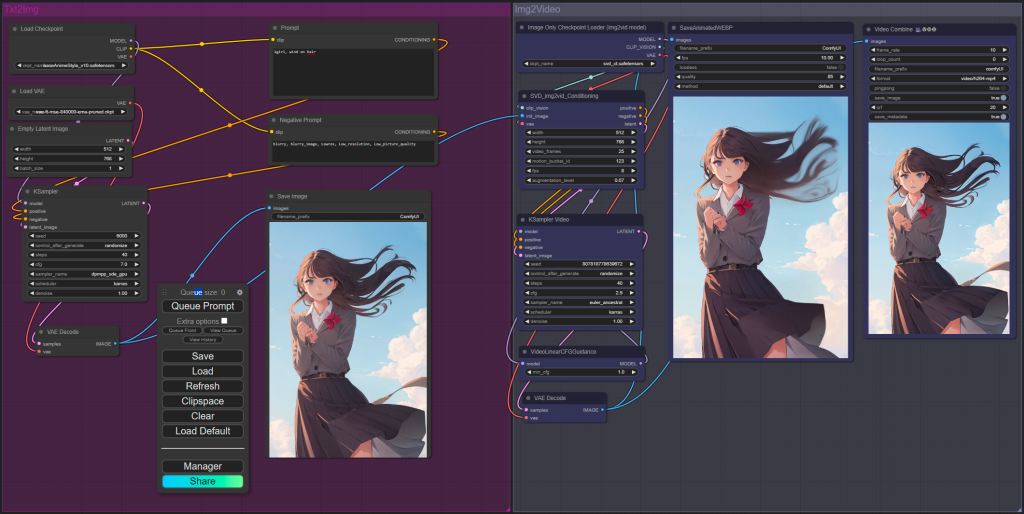
AI Adventure Book Generation with Real-Time Images
Generate interactive adventure books with real-time AI image creation. Complete workflow for dynamic storytelling with consistent visual generation.