AI Influencer Audience Research: Know Your Followers Inside Out
Master audience research for your AI influencer. Learn to identify, understand, and target your ideal followers for content that resonates and converts.
Make AI images and video in your browser
Characters, video, photo packs. No GPU, no setup. Your first generation is free.
Creating content without understanding your audience is like throwing darts blindfolded. You might occasionally hit something, but most efforts miss entirely. The creators who consistently produce engaging content know exactly who they're creating for.
I spent months creating content I thought was great but that generated minimal engagement. When I finally studied my actual audience rather than my imagined one, everything changed. Their interests, pain points, and preferences were different from my assumptions. Aligned content performed dramatically better.
For AI influencers, audience understanding matters even more. Your character should feel relevant to your specific audience. Content should address their actual interests. Without research, you're guessing at both.
Quick Answer: Effective audience research combines demographic data (age, gender, location from platform analytics), psychographic understanding (interests, values, behaviors from engagement analysis), and direct feedback (polls, questions, DMs). Build detailed audience personas representing your ideal followers. Use this understanding to inform character development, content topics, posting schedule, and monetization strategy.
:::tip[Key Takeaways]
- AI Influencer Audience Research: Know Your Followers Inside Out represents an important development in its field
- Multiple approaches exist depending on your goals
- Staying informed helps you make better decisions
- Hands-on experience is the best way to learn :::
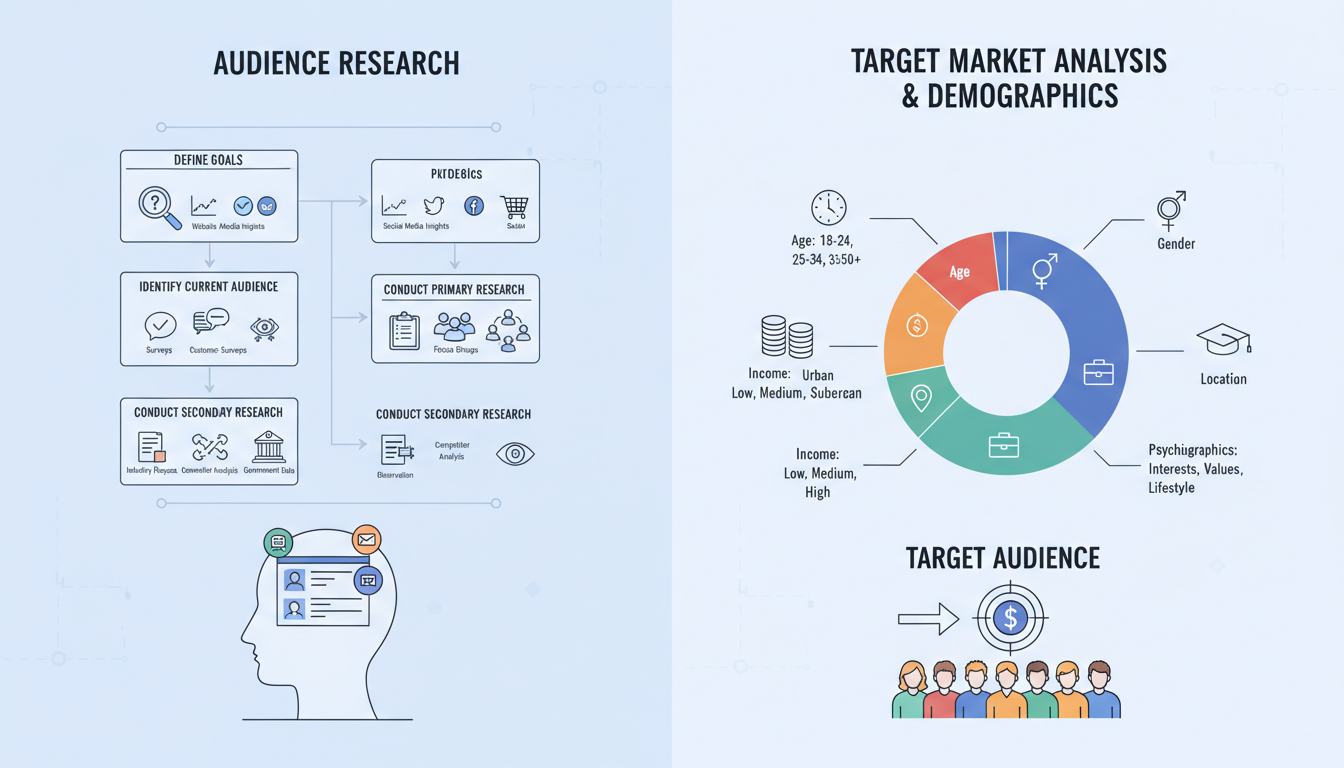
- Gathering audience demographic data
- Understanding psychographic characteristics
- Building useful audience personas
- Using research for content strategy
- Continuous audience learning
Why Audience Research Matters
Understanding audience impact on AI influencer success.
Content Relevance
Research ensures content resonates:
Without research: Content based on assumptions With research: Content based on actual interests
Relevant content generates higher engagement, saves, shares, and growth.
Character Alignment
Your AI character should appeal to your target audience:
Character considerations:
- Personality traits that resonate
- Aesthetic that attracts
- Voice that connects
- Values that align
Research informs character development decisions.
Monetization Efficiency
Knowing your audience improves revenue:
Monetization impact:
- Products that solve actual problems
- Affiliate offers that match interests
- Brand partnerships that align
- Pricing appropriate for audience
Strategic Decisions
Research informs all strategic choices:
Decision areas:
- What content to create
- When to post
- How to engage
- Where to expand
- What to sell
Gathering Demographic Data
Start with the basic who.
Platform Analytics
Native analytics provide demographic foundation:
Instagram Insights:
- Age distribution
- Gender breakdown
- Location (cities and countries)
- Active times
TikTok Analytics:
- Similar demographic breakdowns
- Video performance by audience segments
What Demographics Reveal
Age informs:
- Content tone and references
- Platform usage patterns
- Purchasing behavior
- Life stage concerns
Gender informs:
- Content preferences
- Communication style
- Product interests
- Visual preferences
Location informs:
- Time zones for posting
- Cultural considerations
- Language needs
- Regional interests
 Detailed personas help create content that resonates with specific audience segments.
Demographic Tracking
Monitor changes over time:
Monthly tracking:
- Screenshot demographic breakdowns
- Note significant shifts
- Track growth by segment
- Identify trending demographics
Audience composition may shift as you grow.
Understanding Psychographics
Beyond who to why and how.
Interest Mapping
What your audience cares about:
Interest research methods:
- Analyze which content performs best
- Note comment topics and questions
- Review hashtags your audience uses
- Observe accounts they follow
Values and Beliefs
What your audience stands for:
Values indicators:
- Content they engage with emotionally
- Causes they support publicly
- Language and tone they respond to
- What triggers negative responses
Behavior Patterns
How your audience acts:
Behavioral observations:
- When are they most active?
- How do they engage (likes vs. comments vs. saves)?
- Do they share content?
- Do they click links?
Pain Points and Desires
What they struggle with and want:
Free ComfyUI Workflows
Find free, open-source ComfyUI workflows for techniques in this article. Open source is strong.
Discovery methods:
- Questions asked in comments and DMs
- Problems mentioned repeatedly
- Aspirations expressed
- Frustrations voiced
Understanding pain points creates content and product opportunities.
Direct Research Methods
Ask your audience directly.
Polls and Questions
Use interactive features:
Story polls:
- Simple binary choices
- Preference testing
- Opinion gathering
- Behavior questions
Question stickers:
- Open-ended responses
- Deeper insights
- Personal stories
- Specific feedback
Surveys
For deeper research:
Survey approaches:
- Link in bio to survey tool
- Story promotion of survey
- Email survey to subscribers
- Incentivized participation
Keep surveys short (5-10 questions maximum).
DM Conversations
Direct messages reveal insights:
DM research:
- Note recurring themes
- Ask follow-up questions
- Document interesting insights
- Build relationship while learning
Comment Analysis
Comments contain rich data:
Comment mining:
- What questions appear repeatedly?
- What generates most discussion?
- What emotional reactions occur?
- What do people relate to?
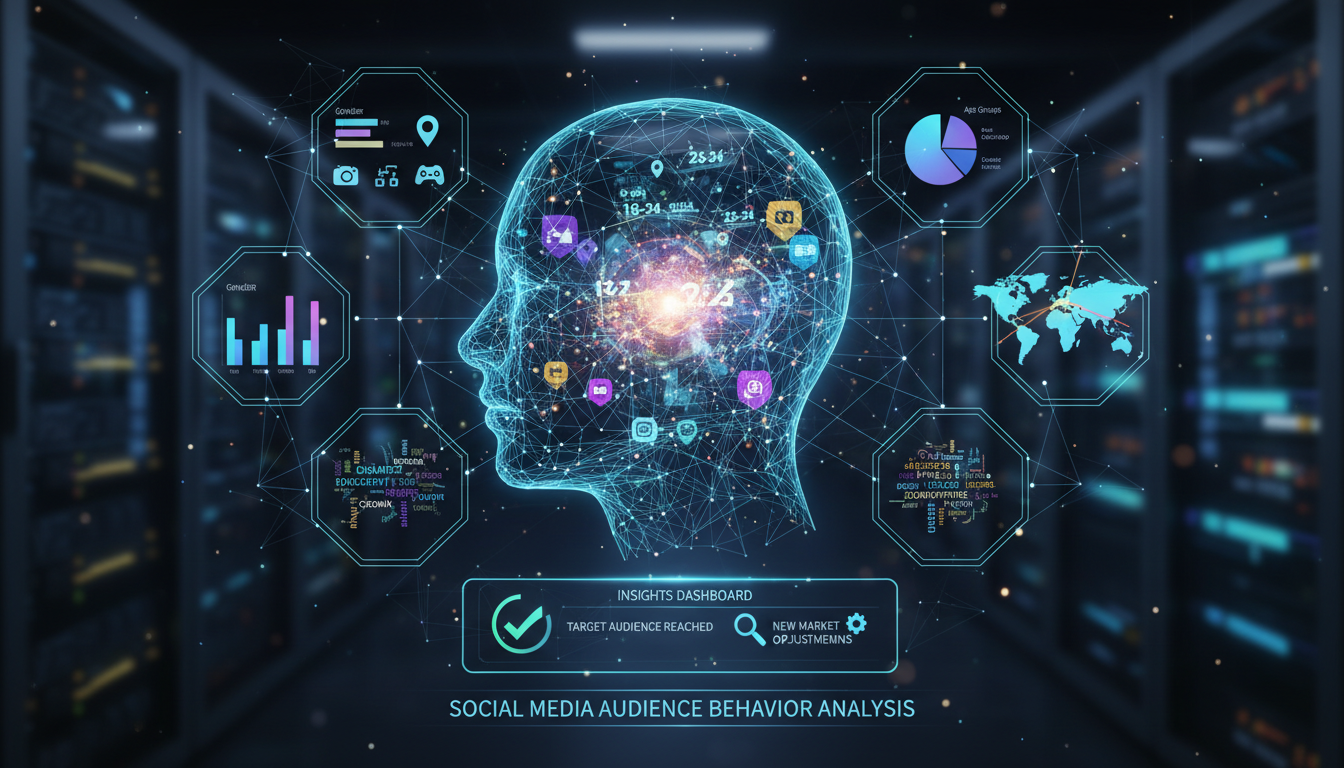 Data analysis reveals patterns in audience behavior and preferences.
Building Audience Personas
Synthesize research into usable profiles.
Want to skip the complexity? Apatero gives you professional AI results instantly with no technical setup required.
What Personas Include
Comprehensive persona elements:
- Demographic basics (age, location, gender)
- Life situation (career, family, lifestyle)
- Interests and hobbies
- Pain points and challenges
- Goals and aspirations
- Content preferences
- Purchasing behavior
- Social media habits
Creating Your Persona
Persona development process:
Step 1: Gather all research data Step 2: Identify patterns and commonalities Step 3: Create 2-3 distinct persona types Step 4: Give each persona a name and details Step 5: Validate against actual audience data
Example Persona
"Aspiring Amy"
- Age: 24-28
- Location: Urban US
- Career: Early corporate professional
- Interests: Fitness, wellness, career growth
- Pain points: Time management, work-life balance, confidence
- Goals: Build side income, improve health, grow professionally
- Content preferences: Actionable tips, motivation, relatable content
- Social habits: Instagram daily, TikTok evenings, Pinterest for planning
Using Personas
Reference personas in content decisions:
Application:
- "Would Amy find this valuable?"
- "When would Amy see this post?"
- "Would Amy buy this product?"
- "Does this match Amy's aesthetic preferences?"
Applying Research to Strategy
Turn insights into action.
Content Strategy
Research-informed content:
- Topics that address actual interests
- Formats that match consumption preferences
- Tone that resonates with values
- Timing that matches activity patterns
Character Development
Research-informed character:
- Personality traits audience connects with
- Aesthetic that attracts target audience
- Values that align with audience values
- Voice that feels authentic to them
Your Apatero character should be designed with audience in mind.
Engagement Strategy
Research-informed engagement:
- Communication style matching audience
- Response approaches they appreciate
- Community building tactics that work
- Interaction patterns they expect
Monetization Strategy
Research-informed monetization:
- Products solving actual pain points
- Price points appropriate for audience
- Offers matching interests
- Partnerships aligning with values
Continuous Learning
Audience understanding is ongoing.
Regular Research Rhythm
Monthly:
- Review analytics demographics
- Analyze top performing content
- Note engagement patterns
Quarterly:
Earn Up To $1,250+/Month Creating Content
Join our exclusive creator affiliate program. Get paid per viral video based on performance. Create content in your style with full creative freedom.
- Conduct direct research (poll or survey)
- Review and update personas
- Assess audience shifts
Ongoing:
- Pay attention to comments and DMs
- Note questions and interests
- Track changing preferences
Adapting to Change
Audiences evolve:
Change indicators:
- Demographic shifts in analytics
- Content performance changes
- Engagement pattern differences
- New questions and interests
Adaptation approach:
- Acknowledge changes
- Adjust strategy appropriately
- Test new approaches
- Maintain core while evolving
Common Research Mistakes
Avoid these audience understanding errors.
Mistake 1: Assuming You Know
Creating based on assumptions without research.
Fix: Data-driven understanding, not intuition.
Mistake 2: Research Once and Done
Treating research as one-time activity.
Fix: Continuous learning and regular updates.
Mistake 3: Ignoring Negative Signals
Only paying attention to positive engagement.
Fix: Learn from what doesn't work too.
Mistake 4: Broad Targeting
Trying to appeal to everyone.
Fix: Specific audience focus, not universal appeal.
Mistake 5: Not Acting on Research
Gathering data but not applying it.
Fix: Translate insights into strategy changes.
Your Audience Research Action Plan
Build audience understanding:
Week 1: Foundation
- Review all available analytics
- Document demographic data
- Analyze top performing content
Week 2: Detailed look
- Conduct poll or survey
- Review comments and DMs for themes
- Research audience behavior patterns
Week 3: Synthesis
- Create 2-3 audience personas
- Document key insights
- Identify content implications
Week 4: Application
- Adjust content strategy based on research
- Plan content calendar using personas
- Begin tracking ongoing signals
Ongoing:
- Regular analytics review
- Continuous engagement monitoring
- Quarterly persona updates
- Strategy refinement based on learning
Understanding your audience transforms AI influencer strategy from guessing to knowing. Your Apatero content, engagement approach, and monetization strategy all improve when based on genuine audience understanding rather than assumptions.
FAQ
How do I research audience when just starting?
Study similar accounts in your niche. Their audience gives clues about yours. Gather your own data as you grow.
What if my actual audience doesn't match my target?
Decide whether to adjust content to attract desired audience or adapt strategy for actual audience. Both can work.
How detailed should personas be?
Detailed enough to be useful for decisions, not so detailed they become fictional characters. Focus on actionable insights.
Should I create content I wouldn't personally enjoy?
If it serves your audience, potentially yes. But authentic passion often shows. Find overlap between your interests and audience interests.
How do I know if my research is accurate?
Test insights through content experiments. If research-informed content performs better, research is likely accurate.
What if my audience is too diverse to profile?
Create multiple personas representing different segments. You may need to choose which segment to prioritize.
Make AI images and video in your browser
Characters, video, photo packs. No GPU, no setup. Your first generation is free.
Related Articles
10 Best AI Influencer Generator Tools Compared (2025)
Comprehensive comparison of the top AI influencer generator tools in 2025. Features, pricing, quality, and best use cases for each platform reviewed.
5 Proven AI Influencer Niches That Actually Make Money in 2025
Discover the most profitable niches for AI influencers in 2025. Real data on monetization potential, audience engagement, and growth strategies for virtual content creators.
AI Action Figure Generator: How to Create Your Own Viral Toy Box Portrait in 2026
Complete guide to the AI action figure generator trend. Learn how to turn yourself into a collectible figure in blister pack packaging using ChatGPT, Flux, and more.