AI Influencer Outfit and Styling: Building a Consistent Wardrobe Aesthetic
Create a cohesive wardrobe strategy for your AI influencer. Learn how to define style identity, build outfit variety, and maintain brand consistency through clothing choices.
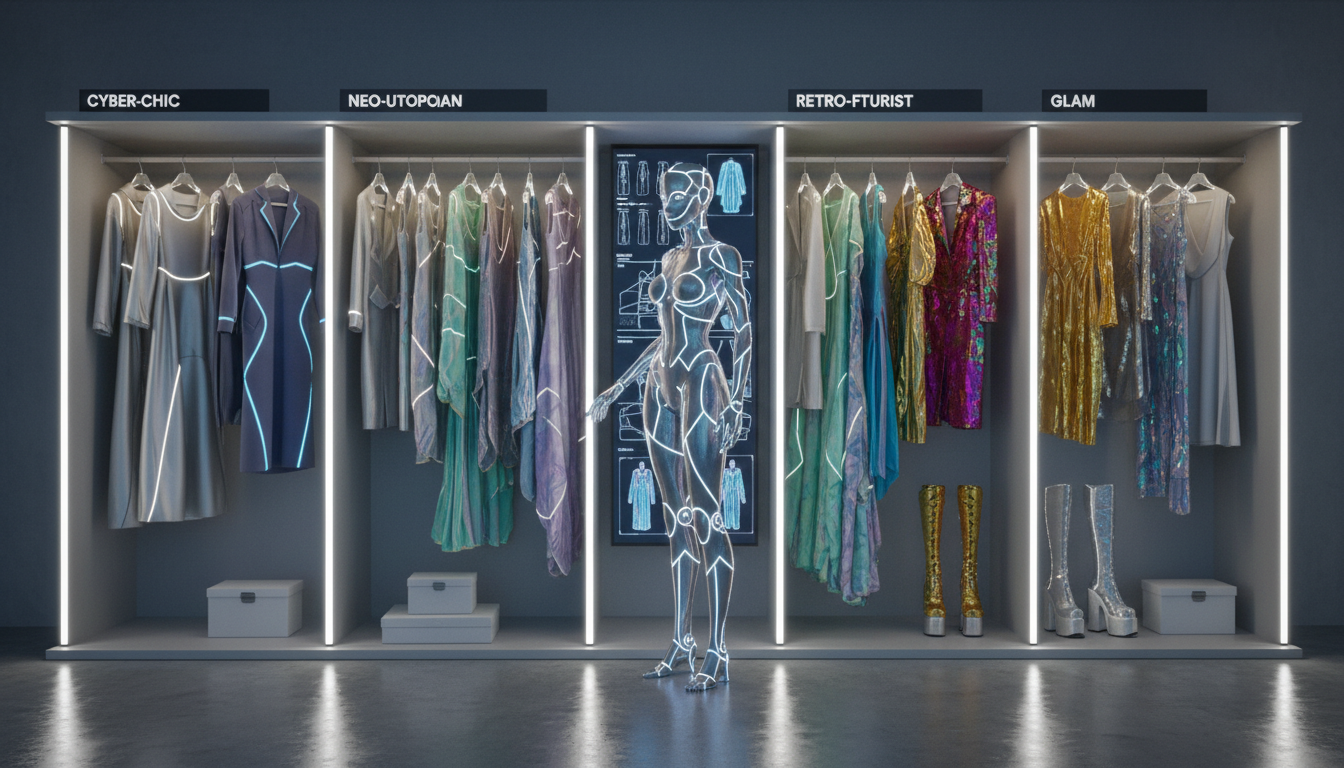
Clothing tells stories before captions are read. When followers scroll past your AI influencer content, outfits create immediate impressions about personality, lifestyle, and aspirations. A cohesive wardrobe strategy separates memorable AI influencers from forgettable ones.
The challenge is balance. Too much variety and your character lacks recognizable style. Too little variety and content becomes repetitive. The solution is building a capsule wardrobe approach adapted for AI image generation, where signature elements provide consistency while individual pieces create variety.
I learned this through trial and error with my first AI influencer. Early content featured random clothing with no style coherence. The character felt like a paper doll rather than a person with taste and preferences. When I defined a clear style identity and wardrobe system, audience connection deepened significantly.
Quick Answer: Define your AI influencer's style identity first (sporty, elegant, casual, edgy, etc.). Create a capsule wardrobe of 15-20 core pieces that mix and match. Establish signature elements that appear frequently. Use consistent color palette tied to brand aesthetic. Vary outfits while maintaining style coherence across all content.
:::tip[Key Takeaways]
- AI Influencer Outfit and Styling: Building a Consistent Wardrobe Aesthetic represents an important development in its field
- Multiple approaches exist depending on your goals
- Staying informed helps you make better decisions
- Hands-on experience is the best way to learn :::
- Defining your AI influencer's style identity
- Building a virtual capsule wardrobe
- Creating signature style elements
- Color palette strategy for brand consistency
- Prompting techniques for consistent clothing
Defining Style Identity
Before selecting individual pieces, establish your character's overall fashion identity.
Style Archetypes
Most successful AI influencers embody recognizable style archetypes. These provide framework for wardrobe decisions.
Athleisure/Sporty: Comfortable athletic-inspired clothing. Leggings, sports bras, sneakers, casual activewear. Appeals to fitness-focused audiences. Works well for wellness and motivation content.
Minimalist/Clean: Simple, quality pieces. Neutral colors, clean lines, understated elegance. Appeals to design-conscious audiences. Works for lifestyle and professional content.
Streetwear/Urban: Contemporary casual with edge. Oversized fits, sneaker culture, trend-forward pieces. Appeals to younger, fashion-aware audiences. Works for entertainment and culture content.
Glamorous/Elegant: Polished, aspirational styling. Designer looks, evening wear, luxury aesthetic. Appeals to aspirational audiences. Works for lifestyle and luxury content.
Bohemian/Natural: Relaxed, organic aesthetic. Flowing fabrics, natural materials, earthy tones. Appeals to spiritually-inclined audiences. Works for wellness and travel content.
Casual/Everyday: Relatable, accessible styling. Everyday pieces, approachable fashion. Appeals to broad audiences. Works for general lifestyle content.
Combining Elements
Most effective style identities combine elements:
Examples:
- "Minimalist with athletic elements"
- "Glamorous casual - dressed up basics"
- "Streetwear with feminine touches"
- "Bohemian elegance"
Your unique combination creates distinctive style rather than generic archetype copy.
Matching Style to Niche
Style should align with content focus:
Fitness niche: Athletic and activewear primary Beauty niche: Polished, trend-forward fashion Lifestyle niche: Casual elegance, approachable aspiration Travel niche: Versatile, photogenic pieces Professional niche: Polished, sophisticated styling
Mismatched style and niche creates audience confusion.
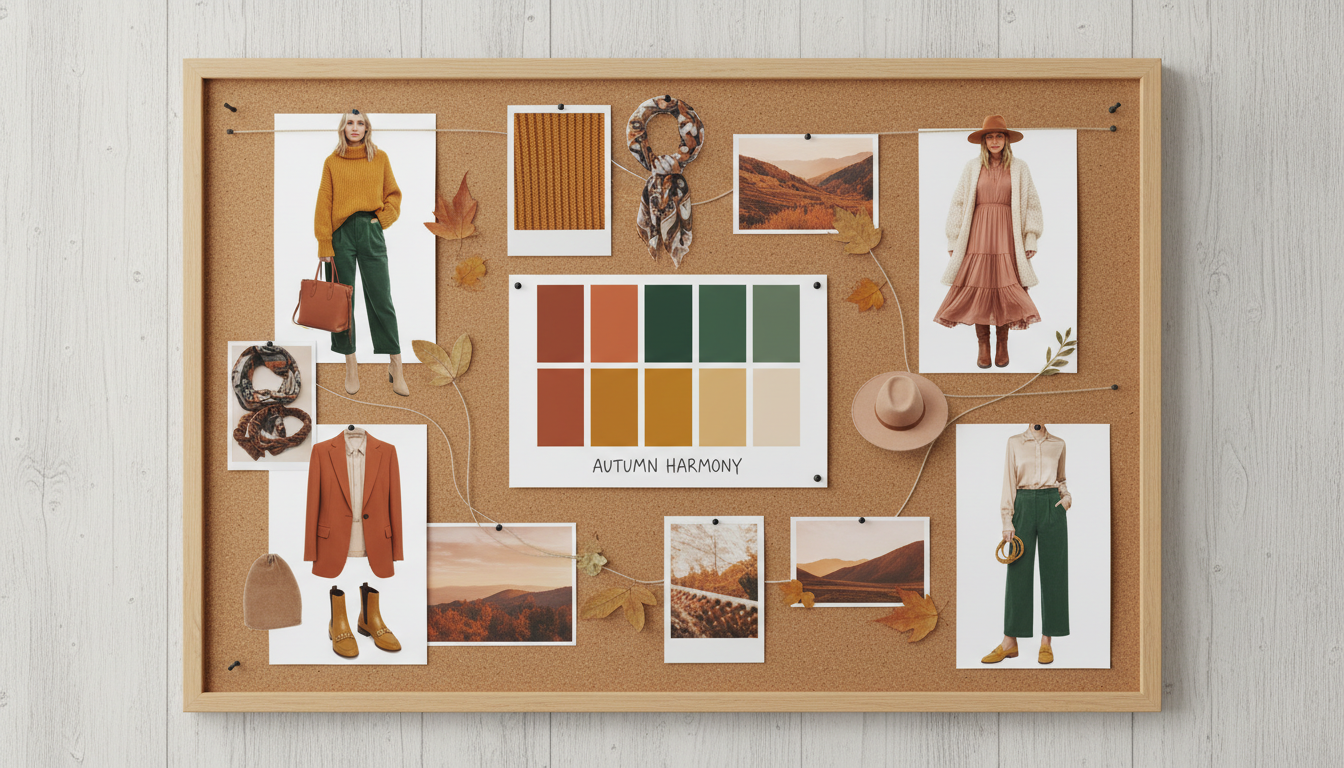 Creating mood boards helps define consistent style direction for your AI influencer.
Building Your Virtual Capsule Wardrobe
A capsule wardrobe provides variety while maintaining cohesion. For AI influencers, this means defining specific pieces to reference in prompts.
Core Categories
Build wardrobe across essential categories:
Tops (5-7 pieces):
- 2-3 basic essentials (white tee, black tank, neutral sweater)
- 2-3 statement pieces (signature colors, interesting details)
- 1-2 special occasion tops
Bottoms (4-6 pieces):
- 2 everyday options (jeans style, comfortable pants)
- 2 variety options (skirt, different jean wash, shorts)
- 1-2 special options (dressed up, athletic)
Dresses/Jumpsuits (3-4 pieces):
- 1-2 casual daily options
- 1-2 elevated or occasion options
Outerwear (2-3 pieces):
- 1 everyday jacket
- 1 statement or seasonal piece
- 1 special occasion option
Athleisure (if applicable, 3-4 pieces):
- Workout sets
- Casual athletic wear
- Sports bras or crops
Documenting Pieces
Create detailed descriptions for each wardrobe piece:
Example documentation: "Piece: Cream cashmere crewneck sweater Fit: Relaxed, slightly oversized Style notes: Pairs with high-waisted jeans, leather pants, or layered over dresses Prompt language: cream cashmere oversized crewneck sweater, relaxed fit"
Document prompt language that produces each piece consistently.
Mix and Match Logic
Plan how pieces combine:
Example combinations:
- Cream sweater + high-waisted jeans + white sneakers
- Cream sweater + black leather pants + heeled boots
- Black tank + cream trousers + blazer
- White tee + jeans + signature jacket
Map combinations to ensure each piece works with multiple others.
Related, no-code approach: the five-looks method for building an AI influencer wardrobe.
Creating Signature Elements
Signature elements make your character instantly recognizable. These consistent details build visual identity across all content.
Types of Signature Elements
Signature colors: One or two colors that appear frequently. Not every image, but recurring enough to become associated with character.
Signature accessories: Consistent jewelry, bags, or accessories. A specific watch style, stacked bracelets, or signature earrings.
Signature silhouettes: Preferred shapes and fits. Always high-waisted bottoms, or always oversized tops, or always fitted athletic wear.
Signature details: Specific style elements. Gold hardware preference, leather accents, or specific textures.
Implementing Signatures
Include signature elements in prompts consistently:
Example prompt additions:
- "wearing her signature gold layered necklaces"
- "in her typical high-waisted silhouette"
- "with signature cream and camel color palette"
- "carrying her usual structured leather tote"
Signature Frequency
Signatures should appear often but not every time:
Recommended frequency:
- Signature colors: 60-70% of content
- Signature accessories: 50-60% of content
- Signature silhouettes: 70-80% of content
- Signature details: 40-50% of content
Variation prevents monotony while consistency builds recognition.
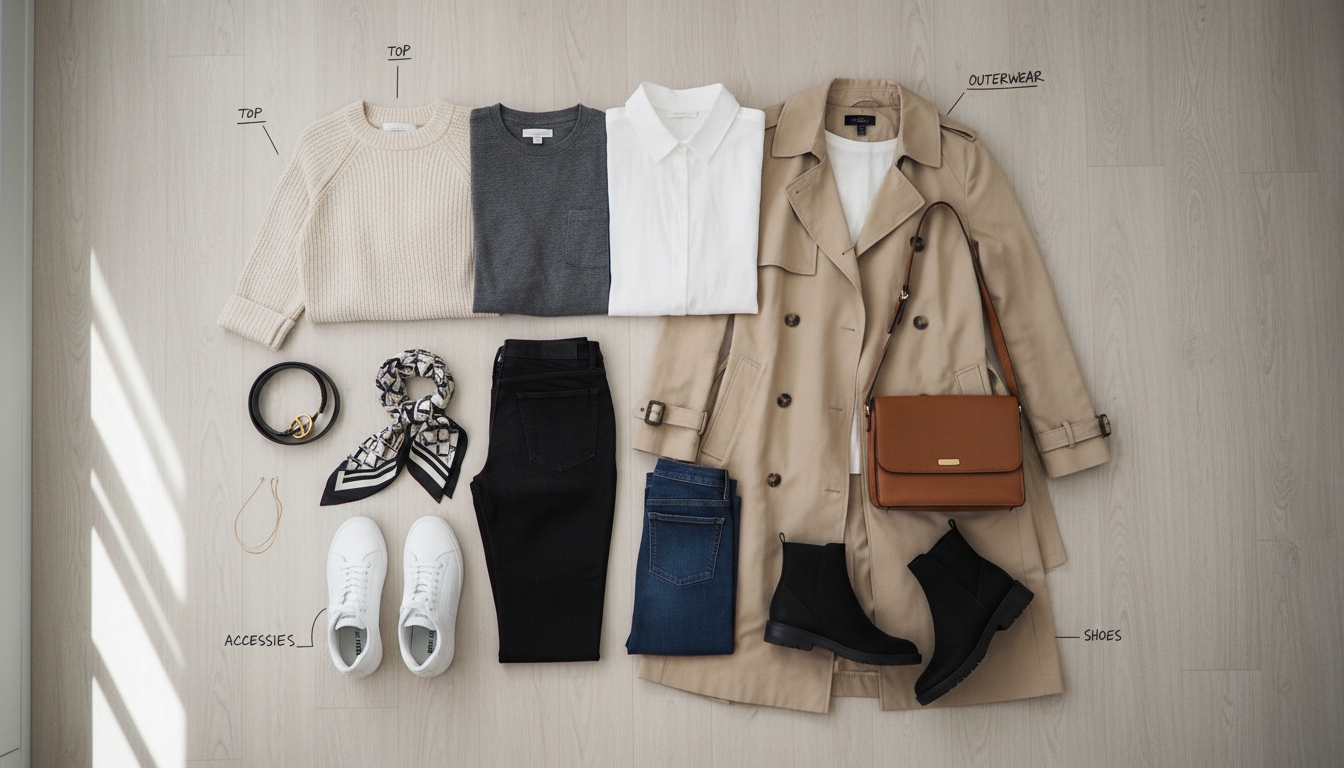 A well-planned capsule wardrobe enables outfit variety while maintaining cohesive style.
Color Palette Strategy
Color ties visual identity together across all content.
Defining Your Palette
Select 5-8 core colors:
Primary colors (2-3): Most frequently appearing. Base wardrobe colors.
Secondary colors (2-3): Supporting colors that complement primaries. Accent pieces.
Accent colors (1-2): Occasional pops. Statement pieces or seasonal additions.
Palette Types
Neutral-based: Black, white, gray, cream, tan as primaries. Safe, versatile, timeless. Add color through accessories or occasional accent pieces.
Warm-toned: Creams, caramels, terracotta, rust, olive. Cohesive warm aesthetic. Works well for natural, bohemian, or cozy vibes.
Cool-toned: Blacks, whites, grays, blues, silvers. Clean, modern aesthetic. Works well for minimalist or edgy vibes.
Color-forward: One or two bold colors as signatures. Pink, red, cobalt blue as recurring elements. Requires careful coordination.
Color in Prompts
Reference specific colors consistently:
Vague: "blue top" Specific: "cobalt blue silk blouse"
Vague: "neutral outfit" Specific: "cream cashmere sweater with camel high-waisted trousers"
Specific color language produces consistent results.
Seasonal and Occasion Variation
While maintaining core style, vary for seasons and occasions.
Seasonal Adaptation
Spring/Summer:
- Lighter fabrics (linen, cotton, silk)
- Brighter accent colors
- Shorter lengths, more skin
- Sandals and open shoes
Fall/Winter:
- Heavier fabrics (wool, cashmere, leather)
- Richer, deeper colors
- Layering pieces
- Boots and closed shoes
Keep core pieces consistent; adapt seasonal elements.
Occasion Categories
Everyday/Casual: Most frequent content. Comfortable, approachable, realistic.
Active/Workout: Fitness and movement content. Athletic wear appropriate to activity.
Dressed Up: Special occasion content. Elevated versions of core style.
Professional: If relevant to niche. Polished work-appropriate styling.
Evening/Night Out: Glamorous content. More dramatic styling within brand.
Prompting for Consistent Clothing
Technical prompting affects clothing consistency and quality.
Clothing Description Structure
Effective structure: "[fabric] [color] [style] [garment type], [fit details]"
Example: "soft cream cashmere oversized turtleneck sweater, relaxed fit, slightly cropped"
Fabric Terms
Specific fabric terms improve results:
Natural fabrics: Cotton, linen, silk, wool, cashmere, leather, denim
Synthetic fabrics: Satin, velvet, mesh, spandex, nylon
Fabric qualities: Soft, structured, flowing, fitted, textured, smooth
Fit and Style Terms
Describe how clothing fits:
Fit terms: Fitted, relaxed, oversized, tailored, loose, bodycon, flowy
Style terms: Cropped, high-waisted, low-rise, midi, maxi, mini, full-length
Outfit Coordination in Prompts
Describe complete outfits rather than single pieces:
Single piece prompt: "woman wearing jeans"
Complete outfit prompt: "woman wearing cream cashmere sweater, high-waisted straight-leg dark wash jeans, white leather sneakers, gold layered necklaces"
Complete descriptions produce intentional, coordinated looks.
Common Wardrobe Mistakes
Avoid these fashion errors that undermine brand consistency.
Mistake 1: No Defined Style
Random clothing selections without coherent identity.
Fix: Define style archetype before generating content. Document style rules.
Mistake 2: Too Much Variety
Every image completely different style, colors, and aesthetic.
Fix: Establish capsule wardrobe with limited pieces. Maintain signature elements.
Mistake 3: Ignoring Color Consistency
Random colors that don't work together or build brand identity.
Fix: Define color palette. Reference specific colors in prompts consistently.
Mistake 4: Vague Clothing Prompts
Generic descriptions like "nice outfit" or "casual clothes."
Fix: Specific fabric, color, style, and fit descriptions for each piece.
Mistake 5: Style-Niche Mismatch
Clothing that doesn't match content focus or target audience.
Fix: Align style identity with niche and audience expectations.
Building Your Wardrobe System
Implement wardrobe strategy systematically.
Step 1: Define Identity
Document your character's style identity:
- Primary style archetype
- Secondary style influences
- Style words (3-5 descriptors)
- What character would never wear
Step 2: Create Color Palette
Define specific colors:
- Primary colors with specific names
- Secondary colors
- Accent colors
- Colors to avoid
Step 3: Build Capsule
Document each wardrobe piece:
- Item description
- Fit and fabric details
- What it pairs with
- Exact prompt language
Step 4: Define Signatures
Identify signature elements:
- Signature colors (frequency)
- Signature accessories (specific items)
- Signature silhouettes (shapes)
- Signature details (recurring elements)
Step 5: Create Outfit Templates
Plan common outfit combinations:
- 10-15 go-to outfit prompts
- Seasonal variations
- Occasion-specific outfits
- Signature looks
Step 6: Test and Refine
Generate images and evaluate:
- Does clothing match descriptions?
- Is style coherent across images?
- Are signatures recognizable?
- Adjust prompts as needed
Building intentional wardrobe strategy elevates AI influencer content from random images to cohesive visual identity. The investment in planning pays dividends through stronger brand recognition, improved audience connection, and content that tells a consistent story. Use Apatero to generate images with your defined wardrobe, and watch your character develop recognizable personal style.
FAQ
How many outfits does my AI influencer need?
Start with 10-15 core outfit combinations. This provides enough variety for weekly content while maintaining recognition. Expand gradually.
Should every image use the same colors?
No, but core palette should be recognizable across content. Use signature colors frequently, not necessarily every time.
How do I make clothing look consistent in AI generation?
Use identical prompt language for repeated pieces. Document exact descriptions and copy rather than paraphrase.
Can my AI influencer follow real fashion trends?
Yes, incorporate trends that fit your style identity. Avoid trends that conflict with established aesthetic.
How often should I introduce new wardrobe pieces?
Add 1-2 new pieces monthly. Keep core capsule stable while allowing gradual evolution.
What if my style isn't working with my audience?
Test different approaches. Your character's style can evolve. Make changes gradually rather than complete overhaul.
Reuse a character reference
Save a character as a Soul and put them in any scene, image or video, without retraining anything. Check your welcome allowance and the displayed cost before generating.
Related Articles
5 Proven AI Influencer Niches That Actually Make Money in 2025
Discover the most profitable niches for AI influencers in 2025. Real data on monetization potential, audience engagement, and growth strategies for virtual content creators.

AI Background Replacement: Professional Guide 2025
Master AI background replacement for professional results. Learn rembg, BiRefNet, and ComfyUI workflows for smooth background removal and replacement.
AI Character Consistency: How to Maintain Virtual Persona Identity Across Content
Learn techniques for maintaining AI character consistency across hundreds of images. Master the art of creating recognizable virtual personas with consistent visual identity.